These Days Bureau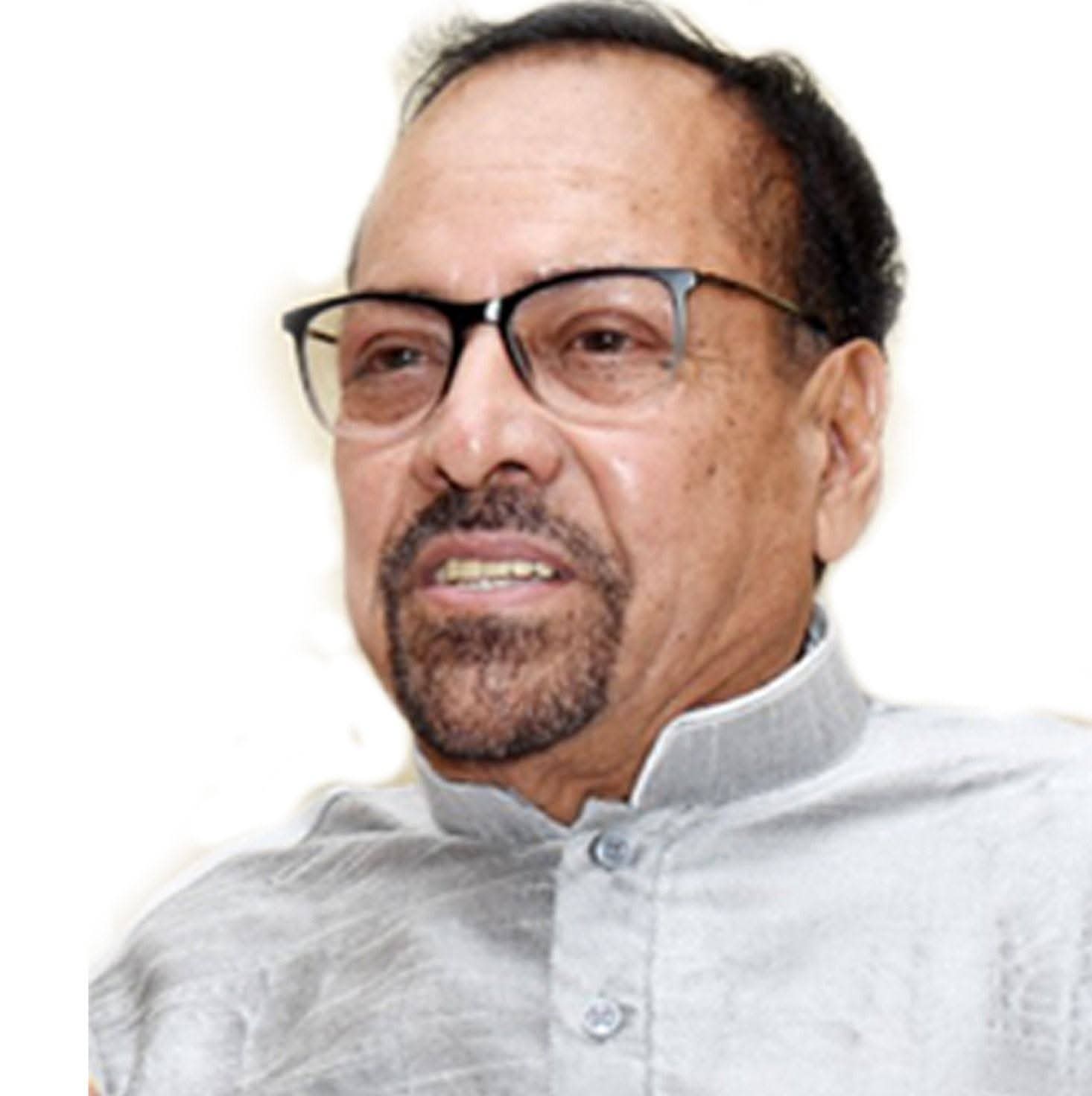
Accredited Journalists Association seeks healthcare, pension, travel concessions, and security measures; calls for urgent government action to uphold dignity and strengthen democratic values.
The Accredited Journalists Association (AJA) has submitted a comprehensive memorandum to Prime Minister Narendra Modi, urging the government to address long-pending demands aimed at ensuring dignity, safety, and welfare for accredited journalists across the country.
In his communication to the Prime Minister’s Office, AJA National President Vijay Shanker Chaturvedi emphasized that journalists continue to serve society in challenging conditions—covering natural disasters, political upheavals, and social unrest—yet remain deprived of essential facilities and social security.
The memorandum outlined key demands, including:
Restoration of railway concessions for accredited journalists to ease nationwide travel for coverage.
Free medical care for journalists and their families in both government and private hospitals.
Regular government advertisements to small and medium newspapers struggling to survive financially.
Monthly pension of ₹15,000–20,000 for senior journalists above 60 years of age.
Establishment of a National Media Academy for training and capacity-building.
Free metro passes in metropolitan cities to ensure mobility for accredited journalists.
Chaturvedi stressed that journalists act as a crucial link between society and the government, and democracy cannot thrive without their contribution. He warned that denying basic facilities to professionals in such a vital role undermines both press freedom and democratic values.
“These steps will not only provide dignity to journalists but also boost their morale. At a time when fake news and non-professional journalism are on the rise, it is essential to support accredited and responsible journalists,” Chaturvedi noted.
The association expressed hope that the government would take swift action to recognize and fulfill these genuine demands, thereby strengthening the role of the press as the fourth pillar of democracy.