These Days Bureau
Rising ethanol demand and GM imports bring food security, farmer, and ecological concerns into sharp focus
New Delhi: Maize is not just a crop; it is a foundation for food, feed, livelihood, and identity. For years, this reality was drowned out by the promise of genetically modified maize, pitched as a solution for higher yields and energy security. Farmers, policymakers, and civil society were not fully informed about its long-term risks to ecology, economy, and society. Over the past two years, I have actively raised these concerns through farmer groups, environmental forums, and media. Today, those advocating for non-GM maize are vindicated: the government is listening, the debate has evolved, and the discussion is central to India’s agricultural sovereignty.
Commercial GM crops began spreading globally in the 1990s. GM maize, engineered primarily for pest resistance or herbicide tolerance, was rapidly adopted in countries dominated by large, industrial farming systems. The promise was straightforward: higher yields and easier management. India, however, chose a more cautious path. While Bt cotton was permitted, GM food crops remained under strict regulatory scrutiny. Over time, this restraint gave rise to a parallel and resilient non-GM maize ecosystem, traditional seed keepers and hybrid seed producers, identity-preserved supply chains, and exporters serving non-GM and organic markets in Asia, Europe and the Middle East. India’s non-GM maize thus became more than an agronomic choice; it evolved into an economic premium and a strategic identity.
Markets, however, do not remain static. With the global push to reduce dependence on fossil fuels, maize quietly acquired a second identity, as an energy feedstock. Grain-based ethanol policies transformed a food crop into a strategic fuel input in a short span of time. Globally, the cheapest maize is produced in countries where GM cultivation dominates. As ethanol demand increased, GM maize re-entered India’s policy conversation, not as food, but as fuel. By late 2025, three forces converged: India’s ambitious ethanol-blending targets sharply increased demand for maize; global corn oversupply made imports economically attractive; and trade pressure, particularly from GM-producing exporters, intensified. This convergence brought GM maize back into national focus.
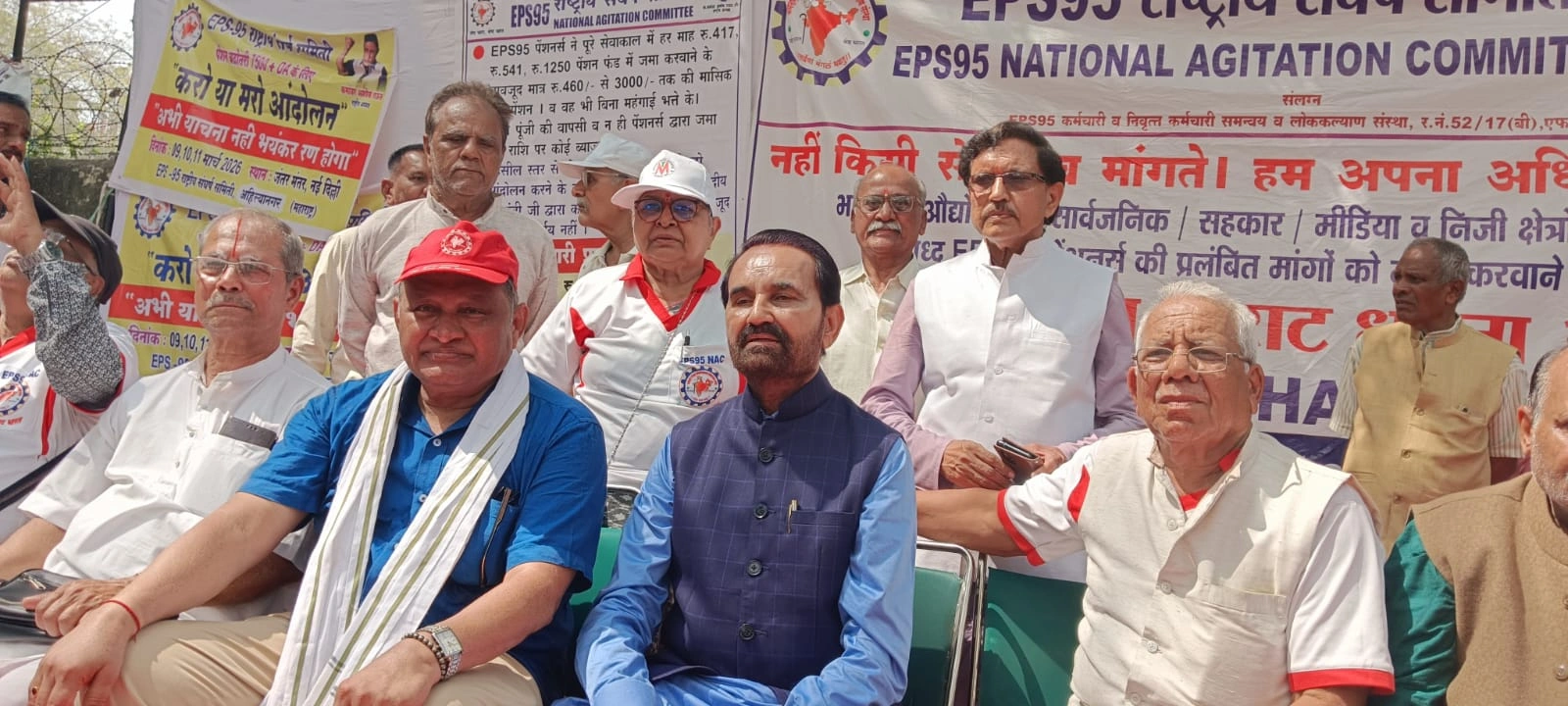
The debate soon moved beyond policy papers to village roads. In Hanumangarh, Rajasthan, farmers protested against a proposed grain-based ethanol plant. As protests intensified, construction was halted and the project’s promoters began exploring relocation to another State. Similar concerns surfaced elsewhere. In Madhya Pradesh and Maharashtra, farmer groups questioned water diversion for ethanol units. In Karnataka, civil society organisations warned against monoculture expansion driven by ethanol demand. In Punjab and Haryana, grain-belt States cautioned against turning food-security regions into fuel corridors. The message was unmistakable: treating maize purely as an industrial commodity invites resistance.
As someone who has long advocated non-GM maize, I have consistently argued that the risks are real and multi-layered. Once GM grain enters domestic handling systems, accidental mixing with non-GM seed or food supplies becomes difficult to prevent unless stringent segregation mechanisms are enforced. Seed contamination undermines farmers who rely on saved seed and hybrid markets dependent on genetic purity. Many export buyers pay premiums for identity-preserved non-GM grain; even limited contamination can shut export channels and erase those premiums overnight. Large grain-based ethanol plants also reshape rural ecology. They intensify water extraction, generate industrial waste streams and encourage monocultures that weaken agricultural resilience. Once a policy normalises GM grain imports for ethanol without safeguards, reversing course becomes politically difficult. Trade concessions can quietly become pathways for broader acceptance of GM products.
Global experience offers important lessons India cannot ignore. Across regions, the GM–non-GM divide is sharpening. European Union countries continue to enforce strict GM labelling and segregation regimes. Mexico has restricted GM maize imports to protect native varieties and food sovereignty. Brazil and Argentina, despite widespread GM cultivation, face growing domestic opposition linked to herbicide use and soil degradation. In Africa, several countries have paused or restricted GM maize adoption after ecological and market-related concerns.
Recent official statements emphasise that trade discussions do not equal policy change. This distinction is crucial. It creates space for democratic engagement and evidence-based safeguards. Policy is not inevitable. It is shaped, in public, by people. The path forward is practical, not ideological. What should we ask of the government now? My advocacy agenda is straightforward and practical: Any discussion of imported maize must be explicitly tied to a narrow and transparent purpose (for example, registered ethanol distilleries) and must come with strict legal safeguards. If imports are allowed for ethanol, they must be under a tariff-rate or quota system that requires imports to be handled separately, tested at ports, and diverted only to authorised industrial distilleries not to open domestic grain markets. Independent testing at points of entry, chain-of-custody audits and civil-society observation should be mandatory. Govt should Invest in certified non-GM corridors, storage hubs and export marketing to protect premium markets. Any decision that affects seeds, food or export markets must be preceded by formal consultations with farmer unions, state governments, seed producers and environmental groups.
The events of late 2025 have underscored one essential truth: ethanol policy cannot be separated from agriculture, ecology, trade or social consent. Non-GM advocates are not opposing energy security. They are insisting that energy security should not be pursued at the expense of food security, farmer livelihoods or ecological balance. For years, such concerns were dismissed as resistance to progress. Today, they are increasingly recognised as calls for responsible planning. Now that both the government and the public are listening, the task ahead is clear, to translate caution into law, debate into safeguards, and to protect India’s non-GM advantage for farmers, markets and future generations.