These Days Bureau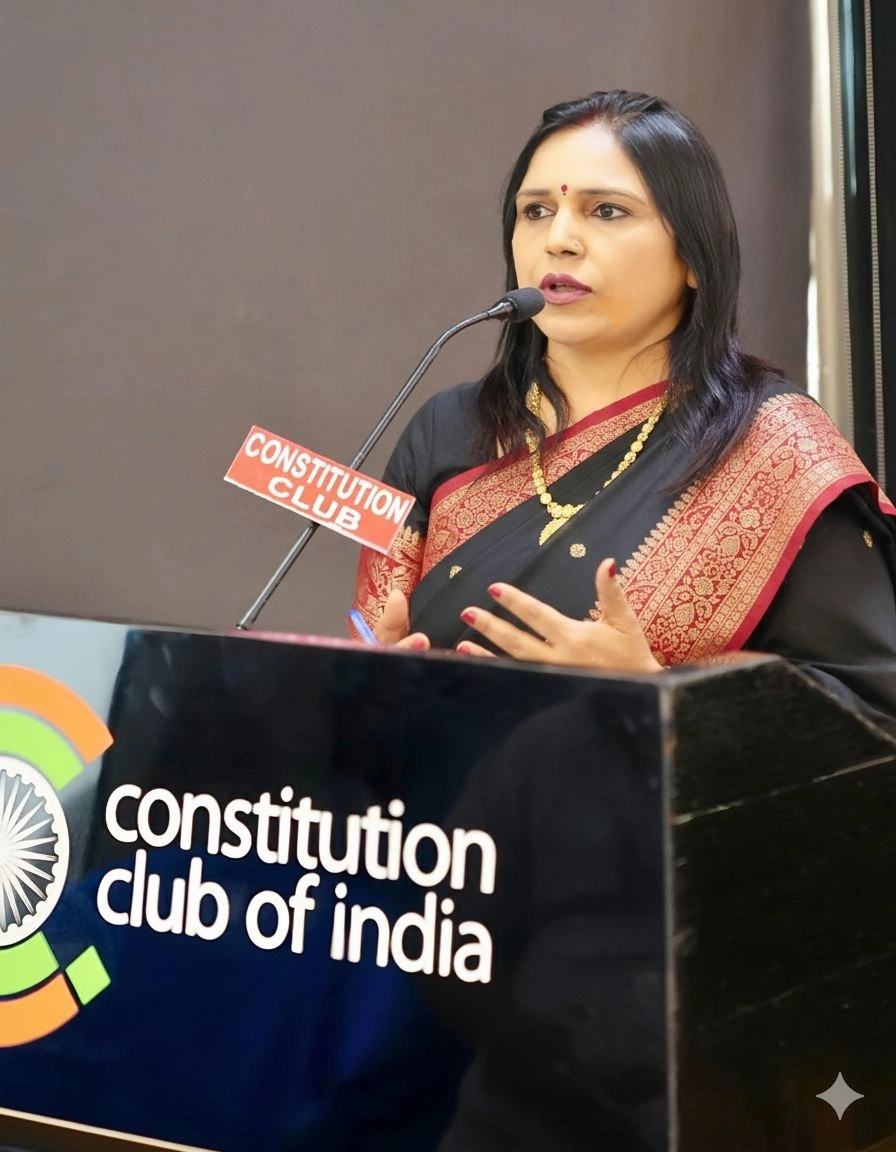
New Delhi:19 Feb, 2026,
India’s decision to allow concessional imports of dried distillers’ grains with solubles (DDGS) under the interim trade framework with the United States may appear technical and limited in scope. The government has capped imports at 500,000 tonnes, roughly 1% of domestic consumption. It has presented the measure as a calibrated step to ease feed costs for poultry, dairy and aquaculture sectors.
However, agricultural markets do not operate purely on arithmetic. Even a seemingly modest import concession can alter price expectations, bargaining power, and rural income structures in ways that extend far beyond its numerical share. DDGS is a protein-rich by-product of maize-based ethanol production. In the United States, where most maize cultivation is genetically modified, DDGS is produced at industrial scale and widely used as animal feed.
The Indian debate is not simply about substituting one feed ingredient for another. It is about the economic stability of maize farmers, the structural balance of domestic feed markets and India’s long-standing precautionary stance toward genetically modified crops. While policymakers emphasize potential cost reductions for livestock industries, the distribution of benefits and risks deserves closer scrutiny. On paper, a 1% quota seems insignificant. In practice, imports create a reference price. Large feed manufacturers and integrated poultry companies now possess an additional sourcing option. This strengthens their negotiating leverage when purchasing domestic maize or soybean meal. In commodity markets, perception often shapes pricing as much as supply volumes do. If buyers can point to lower-cost imported DDGS, domestic suppliers face pressure to match or undercut those prices. The signalling effect alone can soften market sentiment, even before substantial volumes enter the supply chain.
For India’s maize farmers, this matters deeply. Most maize growers operate on thin margins, facing rising input costs for hybrid seeds, fertilizers, irrigation, and transportation. Many lack adequate storage infrastructure and are compelled to sell soon after harvest. They cannot hedge price risk or postpone sales indefinitely. Even a 5 to 10 percent decline in farmgate prices can significantly erode annual income. What appears marginal in macroeconomic analysis can be decisive at the household level. When large feed buyers substitute even part of their demand toward imported inputs, the immediate impact is reduced local demand for maize used in feed. It will exert downward pressure on mandi prices. A realistic distributional analysis shows that the benefits of DDGS imports are unlikely to be evenly shared. Large feed integrators and industrial processors stand to gain from cheaper sourcing options, improving margins and strengthening their bargaining position.
There is a possibility that consumers of poultry and dairy products could benefit if cost savings are passed down the value chain, but such transmission is uncertain and not automatic. In contrast, the burden of adjustment would fall disproportionately on small and marginal maize farmers. Domestic traders and local feed processors that rely on Indian maize and soybean cake may face reduced volumes and tighter margins. Entire rural ecosystems connected to maize cultivation, including transporters, warehouse operators, commission agents and labourers, could experience contraction. Over time, if large buyers increasingly secure long-term procurement contracts linked to imported feed ingredients, domestic processing and value addition capacity may weaken, reducing rural employment multipliers and diminishing the vibrancy of local agricultural economies.
There is also a regulatory dimension that cannot be ignored. India has historically maintained a cautious approach toward commercial GM food crops. While DDGS are processed residues and not seeds, their origin from predominantly GM maize introduces a policy inconsistency. Allowing GM-derived feed inputs into the supply chain without comprehensive public debate or transparent biosafety evaluation risks gradually normalizing such imports. Agricultural policy is shaped not only by science but by precedent. Once trade pathways open, they often expand under commercial and diplomatic pressure. Farmers and biosafety advocates therefore view this decision not merely as a feed issue but as a signal about the future direction of India’s agricultural governance. India also occupies a strategic position in certain export markets as a supplier of non-GM agricultural products. Maintaining credibility in these segments offers long-term economic advantage. Any dilution of this perception could have implications for export competitiveness and market positioning. Thus, the DDGS decision intersects with broader questions of trade strategy and agricultural identity.
None of this suggests that the needs of the poultry or dairy sectors should be ignored. Feed efficiency is important for food security and consumer affordability. However, policy must balance industrial interests with farmer welfare. Trade flexibility cannot translate into rural vulnerability. Regulatory safeguards must be rigorous. Every DDGS consignment should undergo mandatory testing with full documentation of origin and a transparent chain-of-custody system. Clear disclosure requirements for feed mills would strengthen accountability and maintain consumer confidence. If concessional imports are to proceed, they should be tied to defined safeguards, potentially restricted to specified industrial clusters or export-oriented operations. They are subjected to review after a clearly defined trial period that includes farmer representation in evaluation mechanisms. Parallel investment in domestic capacity is also essential. Strengthening India’s own ethanol and feed co-product industries would allow the country to generate indigenous DDGS alternatives, ensuring that value addition remains within domestic supply chains. If feed demand is growing, Indian agriculture should be empowered to meet that demand competitively rather than being structurally disadvantaged.
The DDGS import decision may appear numerically small, but its economic and symbolic implications are significant. Agricultural policy must balance trade diplomacy and industrial competitiveness with rural stability and regulatory coherence. Efficiency gains in one segment should not translate into income insecurity in another. Ultimately, the question is not whether India should engage in trade. It is whether trade decisions are designed with sufficient attention to those who bear the adjustment costs. Maize farmers are not abstract stakeholders; they are central participants in India’s agricultural economy. In calibrating policy, India must ensure that short-term feed cost considerations do not quietly erode long-term farmer resilience. Because in the end, agricultural policy is not measured only in tonnes and percentages, but in livelihoods sustained or weakened.
AUTHOR BYLINE & BIO
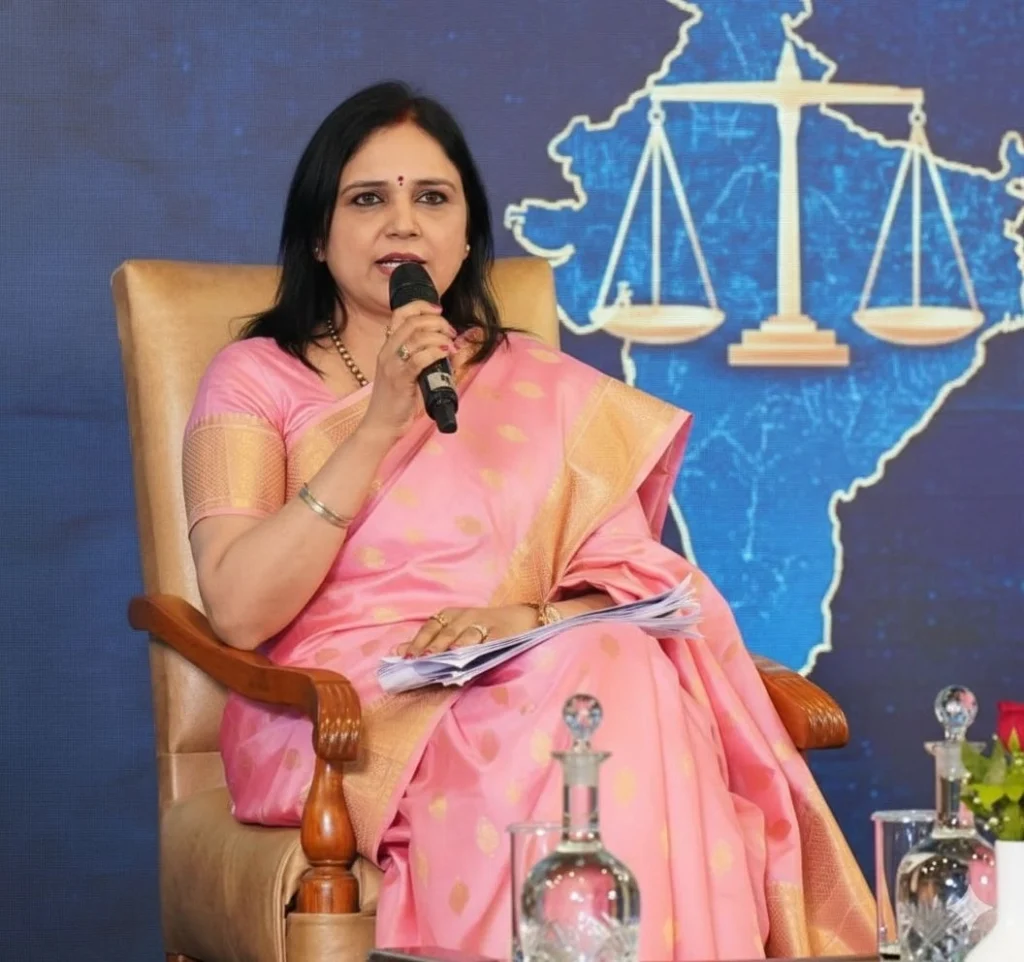
Dr. Mamtamayi Priyadarshini is an environmentalist, social worker and author of Maize Mandate. She has written extensively on agricultural sustainability, seed sovereignty and food–fuel policy intersections in India.