These Days Bureau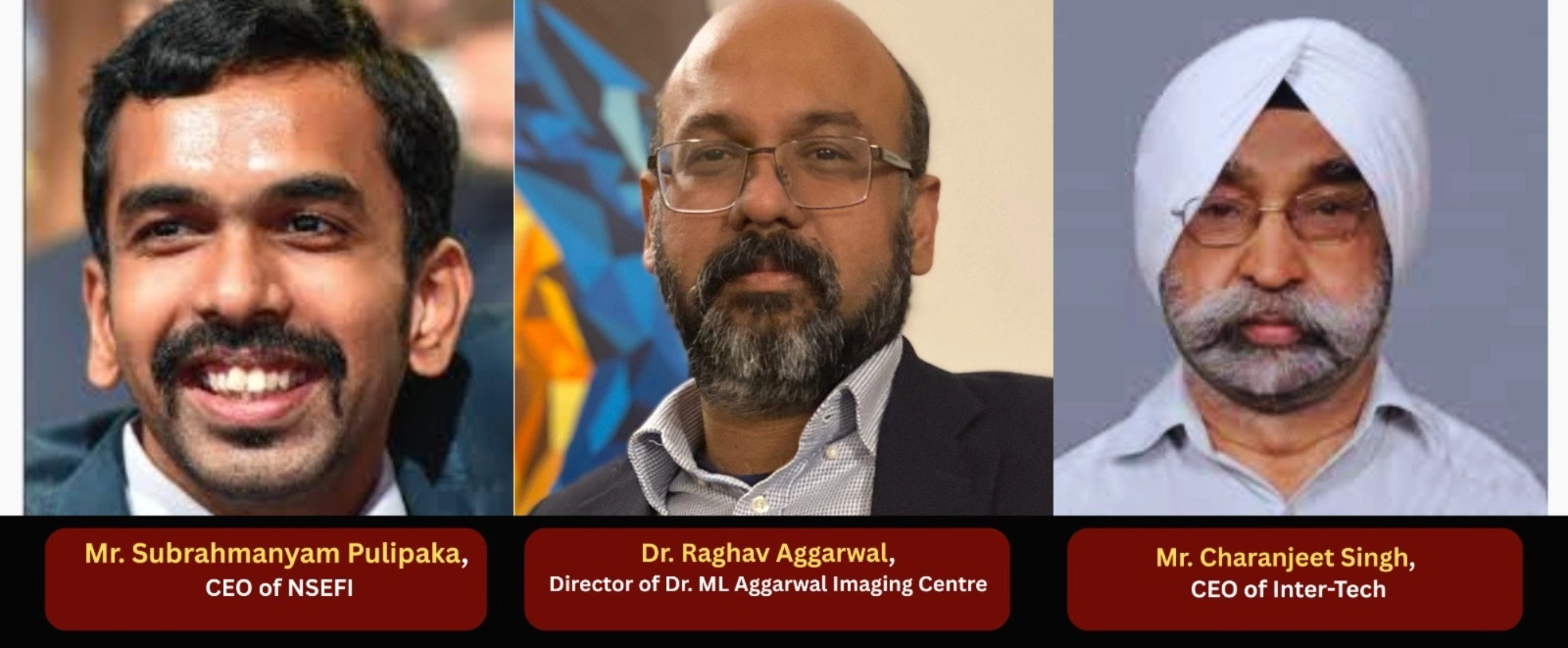
Industry leaders cite energy resilience, healthcare priorities and infrastructure-led growth as key positives
New Delhi: Industry representatives from diverse sectors have expressed broad approval of the Union Budget 2026–27, citing its targeted approach towards enhancing India’s economic resilience, promoting domestic manufacturing, and investing in energy, healthcare, and infrastructure capacity.
With targeted fiscal support, incentives for clean energy and storage, enhanced healthcare priorities, and higher capital expenditure, the Budget signals a forward-looking policy approach aligned with the vision of Atmanirbhar Bharat and Viksit Bharat, while addressing emerging national and global challenges.
Welcoming the budget, Mr. Subrahmanyam Pulipaka, CEO of NSEFI, said “The Union Budget 2026–27 is a landmark step towards Atmanirbharta in the energy sector, prioritising long-term energy security and grid stability. Duty exemption on sodium antimonate for solar glass and continued incentives for BESS will strengthen domestic manufacturing and reliability. The restructuring of PFC and REC, along with the ₹22,000 crore allocation for PM Surya Ghar, will significantly accelerate solar deployment and household adoption.”
Reacting to the healthcare announcements, Dr. Raghav Aggarwal, Leading Radiologist and Director of Dr. ML Aggarwal Imaging Centre, Delhi, said “The Budget reflects a mature healthcare policy approach, recognising health as a strategic sector. The focus on biopharma, cancer care, mental health, and innovation strengthens the healthcare value chain. Emphasis on non-communicable diseases and mental health is timely and aligned with India’s evolving public health needs.”
From the infrastructure and technology perspective, Mr. Charanjeet Singh, CEO of Inter-Tech, described the budget as a clear and forward-looking roadmap for India’s sustainable growth. He stated that the strong emphasis on renewable energy, smart grids, and critical infrastructure for making India a global hub for cloud computing and artificial intelligence opens meaningful opportunities for advanced, water-independent earthing solutions such as Marconite.
Representing traditional manufacturing sectors, Mr. Omvir Singh Bhati, President of the All India Brick and Tile Manufacturers Federation (AIBTMF), said the Union Budget 2026–27 reflects the Modi government’s continued focus on strengthening the economy. He noted that the strong push for infrastructure, higher capital expenditure, and targeted support for MSMEs aligns well with the vision of Viksit Bharat. Increased urban development and housing activity, especially in Tier-2 and Tier-3 cities, is expected to sustain demand for brick and tile manufacturers while encouraging modernization and improved efficiency across production clusters.
Overall, stakeholders across renewable energy, healthcare, infrastructure, and manufacturing sectors view the Union Budget 2026–27 as a balanced and future-oriented policy framework that seeks to drive inclusive growth, strengthen domestic capabilities, and build resilient systems to meet India’s long-term development goals.